Journal
What does it really cost to own a 30–50 ft yacht in the UAE each year?
By the JJ Marine team ·
For a 30–50 ft yacht in the UAE, most private owners should expect annual running costs in the region of 8–15% of the yacht’s value. For many 34–45 ft boats, that often means roughly AED 120,000–250,000 per year once you include berthing, fuel, insurance, crew or skippers, routine maintenance and periodic refits.
How much should you budget each year for a 30–50 ft yacht in the UAE?
A useful rule of thumb is that annual running costs typically sit around 8–15% of the yacht’s current value for normal private use. A simpler coastal cruiser with outboards may sit at the lower end, while a larger, fully crewed 45–50 ft yacht will edge toward the higher end.
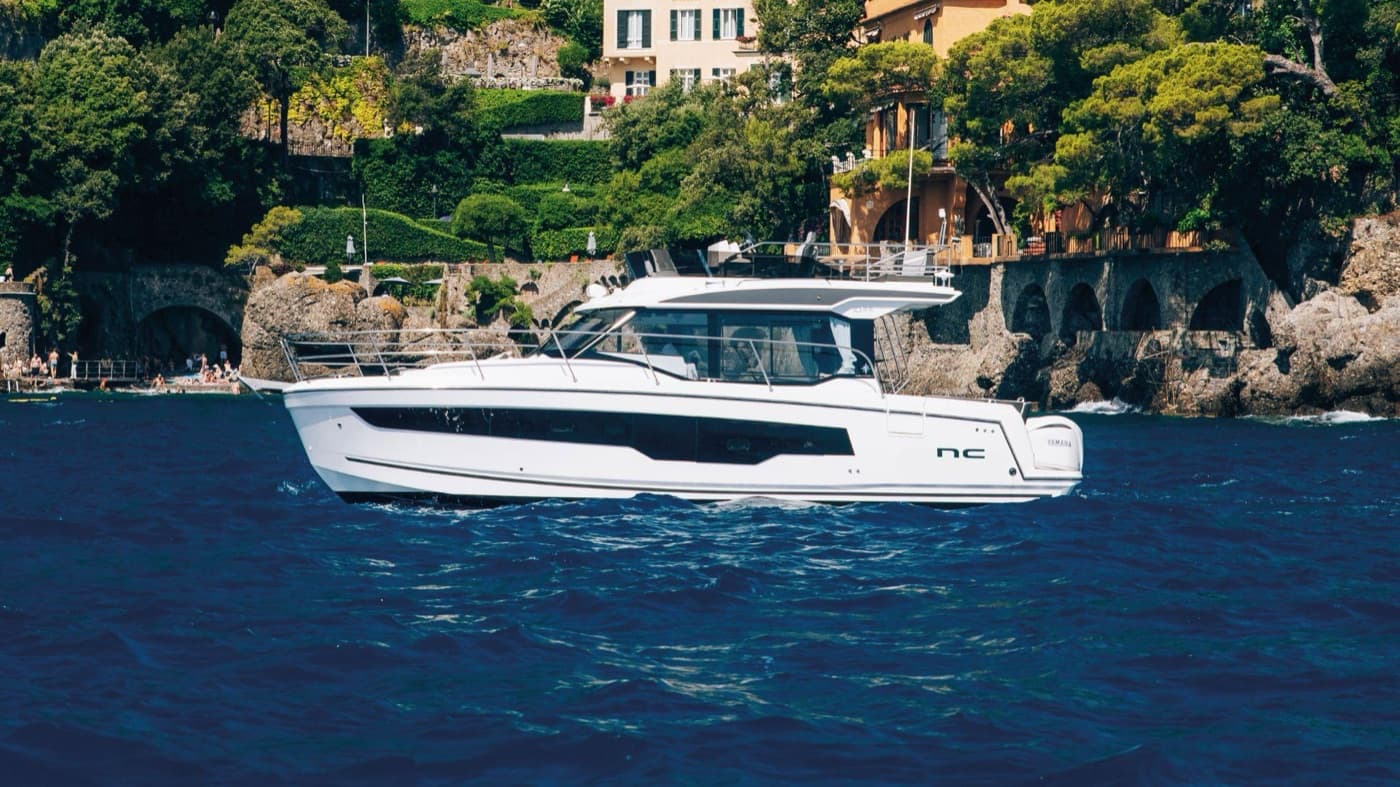
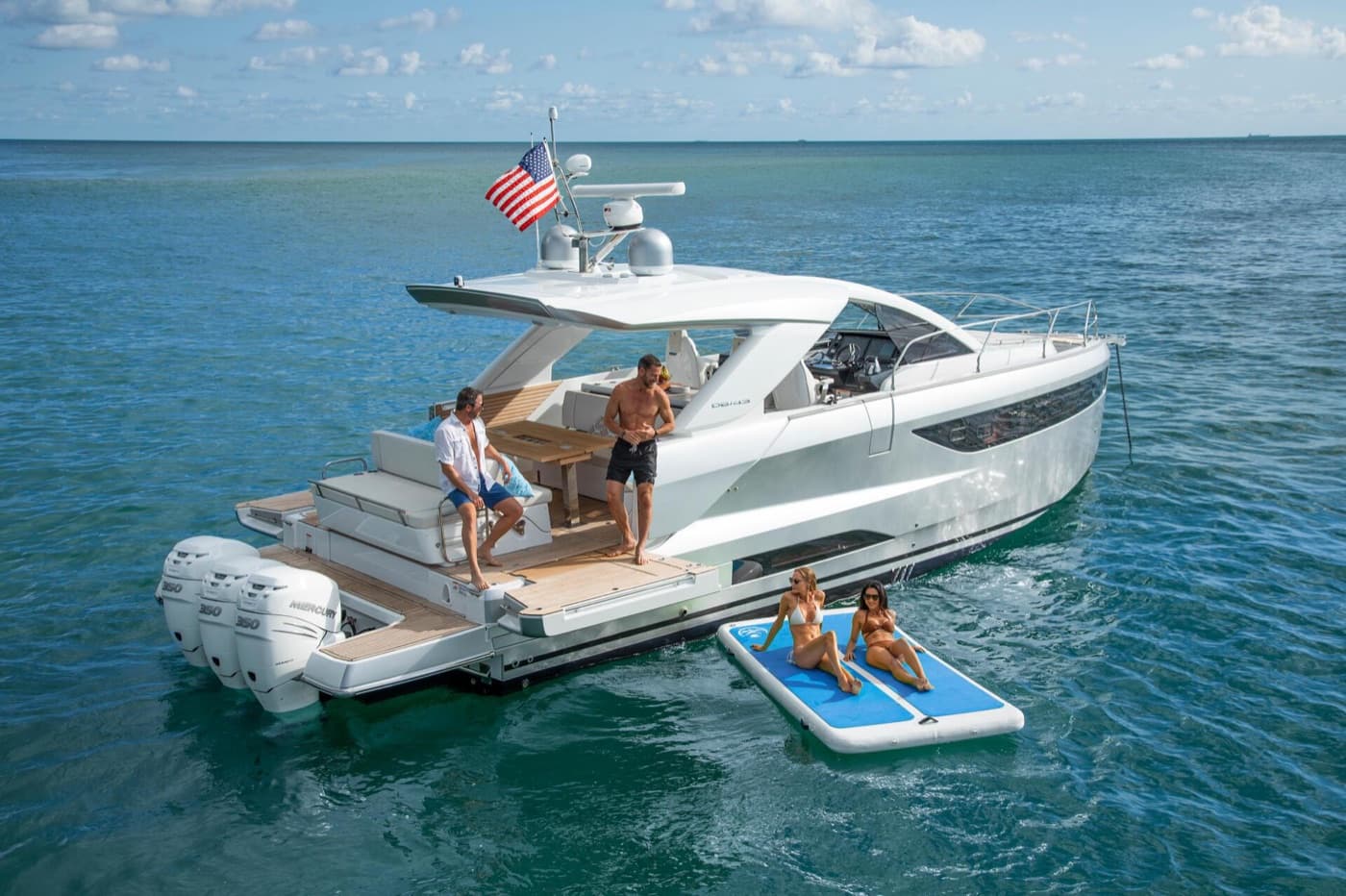
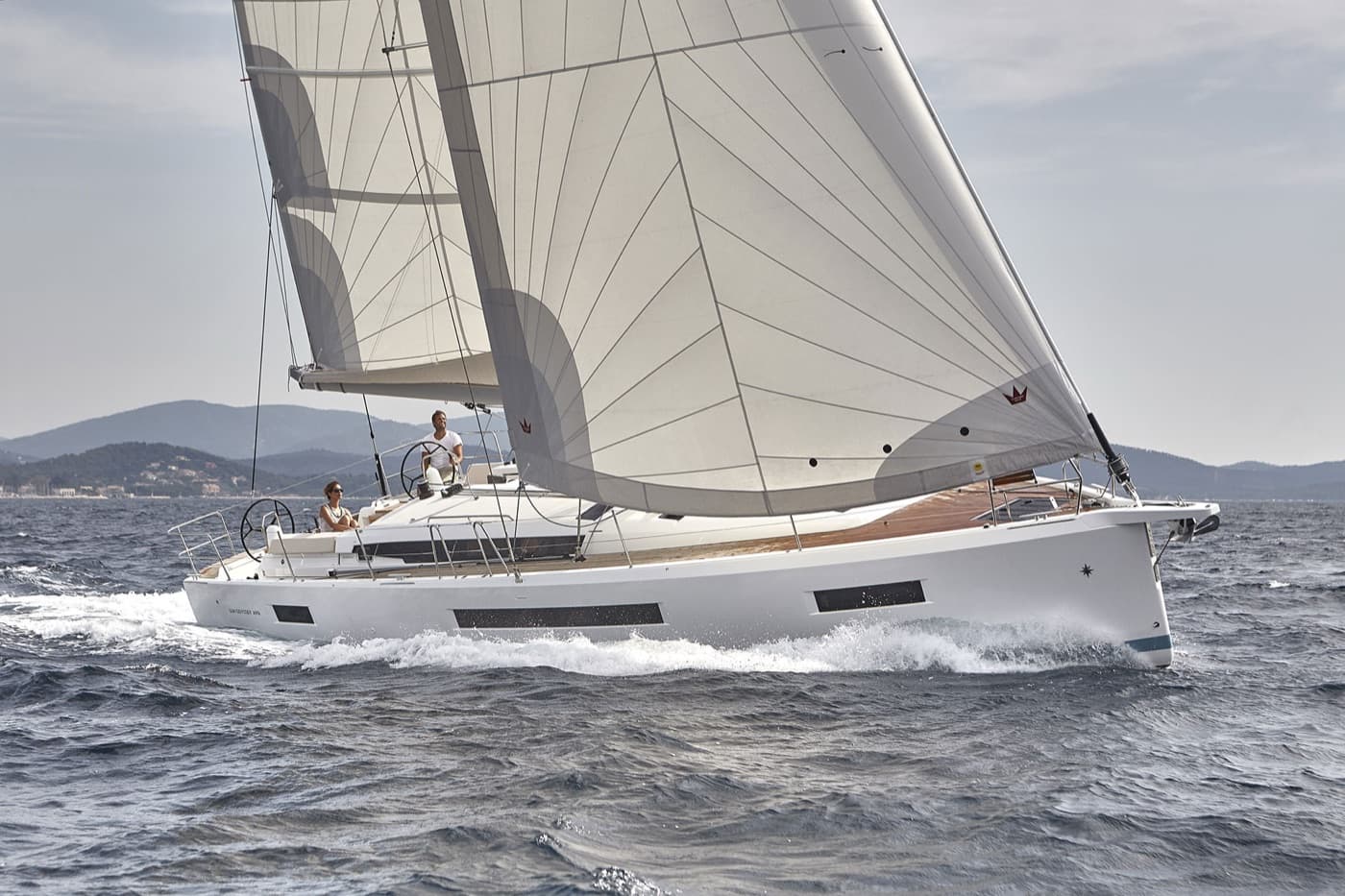
As an illustration, a Jeanneau Merry Fisher 1095 Fly Series 2 at around AED 1,015,000 might cost in the region of AED 90,000–150,000 per year to run for a private owner. A larger 44–47 ft boat such as a DB/43 OB or a Sun Odyssey 490 will typically require a higher annual budget, especially if used frequently and kept immaculately.
Which annual cost categories matter most in the UAE?
For most 30–50 ft owners, the big recurring cost groups are berthing, fuel, insurance, crew or skipper support, and maintenance. Then there are softer but still important lines such as cleaning, permits, safety kit and upgrades.
The exact split depends on how you use the yacht. A lightly used 34 ft family cruiser will have a very different profile from a 47 ft yacht that runs corporate charters every weekend from Dubai Marina.
Typical annual cost ranges by category
The table below gives broad, indicative bands for private use of a 30–50 ft yacht in the UAE. These are not JJ Marine price lists, but realistic planning figures based on typical market patterns.
| Cost category | 30–35 ft yacht (approx) | 40–45 ft yacht (approx) | 45–50 ft yacht (approx) | |--------------------------|------------------------------|--------------------------------|-----------------------------------| | Berth & marina fees | AED 25,000–45,000 | AED 40,000–70,000 | AED 60,000–90,000+ | | Fuel (private leisure) | AED 8,000–25,000 | AED 15,000–40,000 | AED 25,000–60,000+ | | Insurance | AED 8,000–20,000 | AED 15,000–30,000 | AED 20,000–40,000+ | | Routine maintenance | AED 15,000–30,000 | AED 25,000–50,000 | AED 35,000–70,000+ | | Cleaning & detailing | AED 6,000–15,000 | AED 8,000–20,000 | AED 12,000–25,000+ | | Crew / skipper support | AED 0–40,000 | AED 0–80,000+ | AED 0–120,000+ | | Permits & safety items | AED 3,000–8,000 | AED 4,000–10,000 | AED 5,000–12,000 |
These ranges assume non‑liveaboard, private leisure use with periodic weekends and some seasonal peak usage. Heavy charter use, extended trips, or very high cosmetic standards will push numbers upward.
For a deeper look at how these annual figures relate to the initial purchase, it can help to read alongside a broader cost piece such as /guides/how-much-does-a-yacht-cost-in-dubai or /guides/cost-of-owning-a-yacht-in-dubai.
What are you likely to pay for berthing in Dubai and the UAE?
Berthing is usually one of the two biggest annual costs. Fees in Dubai are typically charged per metre of length per year, with location and facilities making a significant difference.
Dubai Marina and flagship destinations tend to sit at the higher end of the range, reflecting demand and amenities. Quieter marinas further up or down the coast are often more cost‑effective, if you are flexible about home port.
Slip size, access to shore power, and whether your boat is in a marina berth, a dry stack, or on a trailer all affect the cost. For compact models like the Merry Fisher 1095 Fly Series 2 at 10.45 m (34 ft), dry stacking or trailer storage can trim your annual bill compared to a permanent wet berth.
If you are weighing specific marinas in and around Dubai Marina, the /guides/dubai-marina-berthing-guide is a useful companion read.
How much will you spend on fuel each year?
Fuel costs are driven far more by use than by boat length. Two owners with identical 40 ft boats can have completely different fuel bills if one does short sunset runs and the other runs to Abu Dhabi and back most weekends.
Powerboats with large petrol outboards or inboards naturally consume more than a similar‑size sailing yacht that mainly motors in and out of the marina. For example, a DB/43 OB with triple outboards will use significantly more fuel on a fast cruise than a Sun Odyssey 490 sailing at similar speeds under canvas with only occasional engine use.
As a planning baseline, many UAE owners of 30–50 ft powerboats set aside a mid‑five‑figure annual fuel budget if they use the boat regularly through the cooler months. Very light use can be noticeably lower, heavy use will be higher.
What does routine maintenance and servicing really involve?
Routine care is where yachts reward consistency. Regular smaller spends reduce the chance of larger, disruptive repair bills later. For 30–50 ft yachts, annual maintenance typically includes:
- Engine and generator servicing at the manufacturer’s recommended intervals
- Antifouling and hull inspection if kept in the water
- Anode replacement
- Periodic polishing and gelcoat touch‑ups
- Servicing of air‑conditioning, water systems and onboard electronics
Yachts with outboard engines, such as the Merry Fisher 1095 Fly Series 2, can be simpler to maintain than complex inboard diesel installations or larger sail systems. Sailed yachts, in turn, introduce standing and running rigging inspections and sail care, but their mechanical systems are often used less intensively.
Every few years you should also plan for non‑annual items such as canvas replacement, upholstery refresh, battery replacement and minor refits. It is sensible to hold a contingency fund for these, especially with 40–50 ft yachts that carry more systems.
Do you really need crew on a 30–50 ft yacht in the UAE?
Many experienced owners comfortably self‑manage a 30–35 ft boat, especially outboard‑powered models with simple systems. Once you reach the 40–50 ft bracket, some owners prefer at least part‑time help.
In practice, crew costs for a mid‑size yacht in the UAE tend to fall into three categories:
- A regular freelance skipper for days when you want support
- A crew member for line handling, cleaning and upkeep
- A full‑time captain and deckhand if the yacht runs frequent charters or is in near‑constant use
For private family use, it is common to lean on freelance skippers and detailers rather than a full permanent crew. This can keep annual running costs nearer the lower bands in the table while still giving you professional support when needed. If you are considering chartering your yacht, it is worth reading a broader charter perspective alongside this, such as /guides/yacht-charter-dubai-guide or /guides/yacht-rental-dubai.
What permits, insurance and compliance costs apply in the UAE?
The UAE has clear frameworks for pleasure craft registration, licensing and safety equipment. There are direct fees for vessel registration, licence renewals and compliance inspections, which together form a modest but important line in the annual budget.
Insurance is the other key item. Premiums depend on hull value, use (private versus charter), cruising areas and claims history. As a rule, higher‑value 45–50 ft yachts used frequently, or for any commercial activity, should budget higher annual premiums than smaller, lightly used family boats.
Safety gear - lifejackets, flares, fire systems and first‑aid equipment - also carry ongoing replacement and servicing costs. None are large on their own, but they do add up over a multi‑year ownership horizon and should be included in realistic planning.
How do new versus pre‑owned yachts compare on running costs?
For the first few years, a new yacht will typically carry lower unplanned maintenance costs. Systems are under warranty and major components are at the start of their life cycle. That said, servicing schedules still apply from day one, especially for performance powerboats.
A well‑chosen pre‑owned yacht can be very cost‑effective if it has a clear maintenance history and recent upgrades. The key is to budget realistically for catching up on deferred maintenance in the first year or two. Guides such as /guides/new-vs-pre-owned-yachts-dubai and /guides/buying-your-first-yacht-in-dubai are helpful context when weighing these trade‑offs.
Over the medium term, the difference in annual running costs between new and well‑kept pre‑owned yachts of similar size is usually smaller than the difference in purchase price.
How can you sanity‑check your personal budget before buying?
A practical way to test your own numbers is to start with the value of the yacht you are considering, then apply an annual percentage that suits your use profile. Light, private use on a simple 34 ft outboard cruiser may sit around 8–10%. Regular, higher‑end use of a 45–50 ft yacht with crew might be closer to 12–15%.
Then break that down into the categories in the table and refine each line based on your intended marina, hours under way, and how much work you wish to outsource. Comparing two or three real models - for example a Merry Fisher 1095 Fly Series 2, a DB/43 OB and a Sun Odyssey 490 - often clarifies which size and style of yacht actually fits your annual budget and not just your purchase budget.
If you would like tailored numbers for a specific boat and usage pattern, JJ Marine can talk you through realistic annual costs before you commit to a purchase.
JJ Marine represents Jeanneau as the official and exclusive dealer in Dubai, with four decades on the water guiding owners into the right yachts and the right ownership plans. Based at Vida Dubai Marina & Yacht Club, the team can help you compare new and pre‑owned options, estimate real annual running costs, and structure management if you choose some charter use. To talk through figures for a 30–50 ft yacht that fits your lifestyle, you can reach JJ Marine on WhatsApp or phone at +971 50 454 8415, via email at jaamaa@jjmarine.ae, or through the form on /contact-us.
Часто задаваемые вопросы
Is owning a 30–50 ft yacht in the UAE worth it compared with chartering?
It depends on how often you go afloat and how you like to use a boat. If you only head out a handful of times a year, charter often makes more financial sense, as you avoid berthing, insurance and maintenance. If you use the yacht regularly through the season, value spontaneity and want to personalise the boat to your taste, ownership can be more rewarding even with higher annual running costs.
Can I reduce my annual yacht costs by offering limited charter?
Limited charter can offset some annual running costs, but it introduces complexity: commercial registration requirements, higher insurance, professional crew and higher maintenance from heavier use. Some owners use charter to soften the annual outlay rather than to turn a profit. If you are interested in this route, it is worth modelling conservatively what a realistic number of charter days would contribute against the increased costs and obligations.
Are sailing yachts cheaper to run than powerboats in the UAE?
Sailing yachts usually burn much less fuel than similar‑size powerboats, so their fuel and sometimes their engine servicing costs are lower. They do, however, introduce rigging and sail maintenance. Overall, for 30–50 ft yachts operated sensibly, a well‑kept sailing yacht often works out slightly cheaper to run each year than a high‑performance powerboat, particularly if you sail regularly rather than motor everywhere.
Should I expect running costs to rise sharply as my yacht gets older?
Running costs tend to rise with age, but usually in steps rather than every single year. Well‑maintained yachts can stay predictable for a long period, then require periodic investments such as new batteries, updated electronics, soft furnishings or major servicing of engines and generators. Planning for an annual budget plus a multi‑year reserve for these bigger items keeps the overall ownership experience more controlled and less stressful.