Journal
A realistic maintenance calendar for Gulf-based boats
By the JJ Marine team ·
A realistic maintenance calendar for Gulf-based boats works on two levels: light monthly checks every few outings, plus deeper quarterly and annual work tied to haul-outs and the summer heat. In Gulf conditions, the priorities are cooling systems, air conditioning, hull fouling, and sun damage, all planned early so you can budget and avoid last‑minute surprises.
Why does the Gulf climate change your maintenance calendar?
The Gulf is hard on boats. High water temperatures, intense UV and humid air mean systems work harder and materials age faster than in milder climates.
Engines and generators run hotter, so cooling and air‑conditioning demand more attention. Warm, nutrient‑rich water encourages rapid fouling on hulls, drives and intakes, which affects fuel burn and performance if you do not stay ahead of it.
Salt and sun together are tough on gelcoat, upholstery and clears. A maintenance calendar for Dubai and the wider Gulf has to build in more frequent cleaning, earlier replacement of soft goods and a disciplined approach to anti‑foul and anodes.
How should you structure a Gulf boat maintenance year?
Think in three layers: every outing / monthly checks, quarterly service blocks, and an annual (or 18‑month) haul‑out. Many UAE owners time deeper work around the hottest months when they use the boat less.
Here is a simplified view for a typical motor cruiser on a private berth in Dubai Marina.
| Interval | Key focus | Typical tasks in Gulf conditions | |---------------------|----------------------------------|-----------------------------------------------------------| | Every outing / week | Protection and safety | Rinse, inspect bilges, check fluids, basic systems test | | Monthly | Salt, sun and wear | Wash, check batteries, seacocks, A/C filters, lines | | Quarterly (3 months)| Engines and electrics under load | Change some filters, inspect belts, clean strainers | | Annually | Hull, anti‑foul, anodes | Lift, pressure wash, anti‑foul, full engine & drive service | | 18–24 months | Deeper preventative work | Heat exchangers, exhaust risers, bigger renewals |
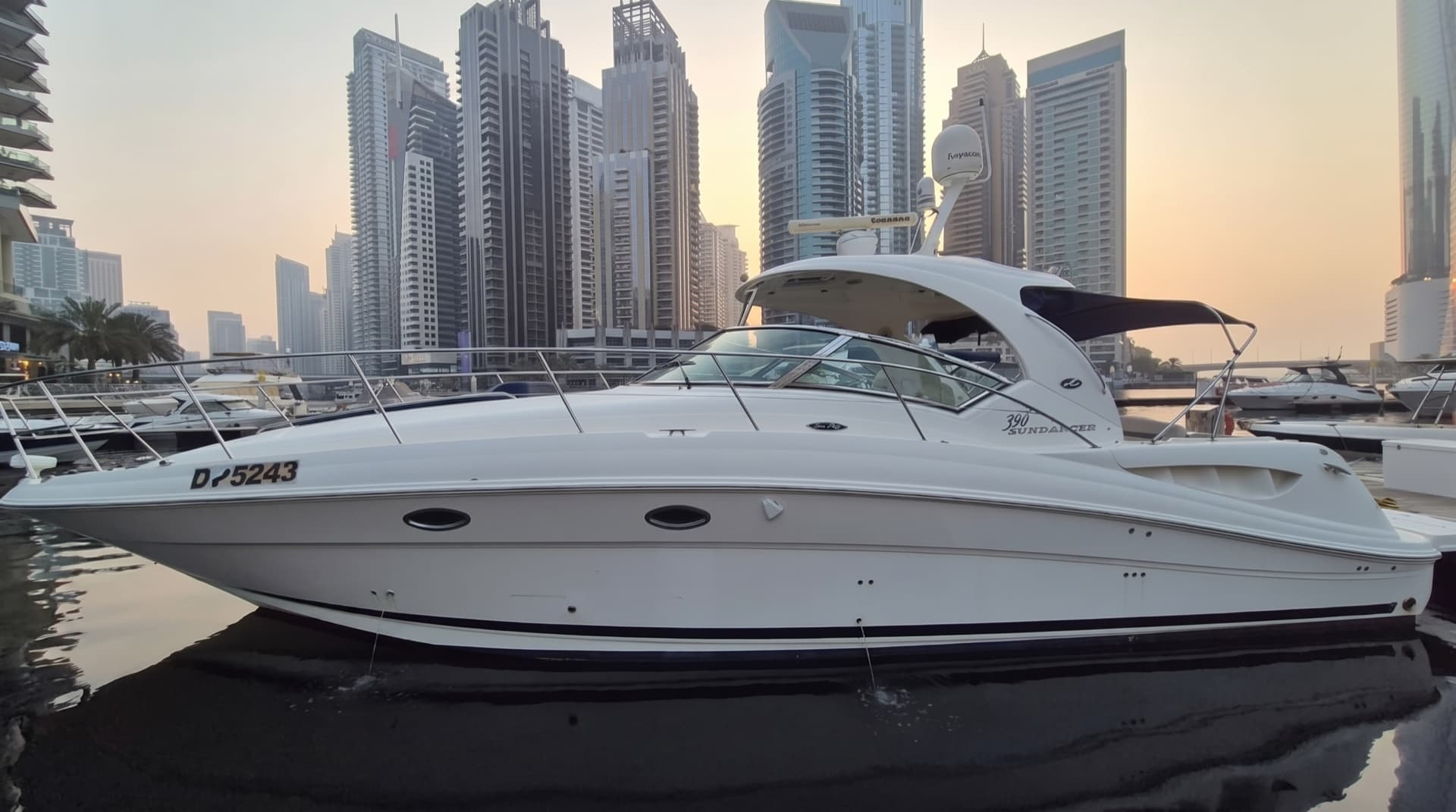
Larger yachts with generators, multiple air‑conditioning zones and complex electronics - such as a cruiser of similar scale to a Sea Ray 390 Sundancer - benefit from a written calendar and consolidated annual service period.
What should you check every outing and every month?
Every time you use the boat, keep it simple and consistent. A ten‑minute walk‑around catches most early issues.
Every outing or every week if berthed:
- Visual walk‑around: fenders, lines, shore power, fender heights against the pontoon
- Engine room glance: no fuel or oil smells, no new drips in trays or bilges
- Fluid levels: engine oil, coolant header tanks, gear oil where accessible
- Bilge pumps: cycle automatic and manual modes, check alarms where fitted
- Electronics: plotter, VHF, navigation lights and horn
In Gulf marinas, growth on intakes appears quickly.
Monthly checks:
- Rinse and wash: full freshwater wash to remove salt film from hull, deck, stainless and clears
- Air‑conditioning: clean or replace air filters, check condensate drains are clear
- Sea strainers: open, clean baskets for engines, generator and A/C
- Batteries: check voltages, connections, charger settings, especially in hot months
- Lines and fenders: look for chafe, UV damage, stiff or cracked ropes
- Safety gear: expiry dates on flares, condition of lifejackets, fire extinguishers and throw lines
For a cabin cruiser or small flybridge yacht, this level of routine care usually falls to the owner or regular crew and often prevents more expensive quarterly surprises.
What belongs in a quarterly service block for a Gulf‑based boat?
Quarterly is where you move from “checks” to light servicing, particularly if you use the boat regularly. The goal is to shorten the time between early warning signs and proper intervention.
Common quarterly tasks include:
- Oil and fuel filters for engines and generator, depending on hours
- Inspect and adjust belts, hose clamps and visible wiring
- Lubricate steering and throttle linkages
- Inspect and lightly clean stern gear you can reach in the water (propellers, shafts, trim tabs)
- Inspect canvas, clears and external upholstery for stitching failure or cracking
Warm fuel tanks and short, infrequent runs can encourage fuel contamination. In the Gulf, many owners add fuel tank checks and, if needed, polishing at a quarterly or six‑monthly interval.
If your boat is on charter, or used heavily, quarterly blocks become non‑negotiable. They also provide a handy documentation trail if you decide to move into /pre-owned resale later.
How often should Gulf boats be hauled, anti‑fouled and have anodes done?
In cooler waters, some owners stretch anti‑foul to two years. In the Gulf this is rarely sensible. Warm water and long sunny days speed up marine growth and anode consumption.
A practical pattern for most private Gulf boats is:
- Haul‑out every 12 months for inspection, cleaning and anode replacement
- Anti‑foul every 12–18 months, depending on paint type, marina water quality and usage
At haul‑out you would usually:
- Pressure wash hull, check for blisters, chips and previous repairs
- Inspect propellers, shafts, rudders, trim tabs and thrusters for damage and corrosion
- Replace anodes sized for local salinity and usage pattern
- Clean and inspect through‑hulls and transducers
If you run a yacht regularly offshore, or keep it in warmer, more enclosed waters than Dubai Marina, growth can be faster. In those cases a cautious 12‑month anti‑foul cycle keeps performance predictable and helps fuel budgeting, which ties directly into the ownership costs explored in more detail in /guides/cost-of-owning-a-yacht-in-dubai.
How does size and usage affect your calendar and budget?
Two boats in the same marina can have very different maintenance patterns. Size, systems count and how often you run them all matter.
- Smaller open boats (under 30 ft) often focus on engines, trailers and simple electrics. They may not need annual yard stays if lift‑and‑hold services and divers are used, but the hot climate still makes regular flushing and cover use crucial.
- Cabin cruisers around 35‑45 ft typically run twin inboards, a generator and several A/C zones. A model like the Sea Ray 390 Sundancer scale demands a more formal calendar covering fuel, cooling systems, A/C service and regular shore‑power inspections.
- Larger flybridge and motor yachts add stabilisers, watermakers and more complex electrical systems that favour annual yard periods and structured service contracts.
Usage is just as important. A lightly used family boat that sits all summer faces different risks from a yacht used weekly or under charter. Long idle periods increase the need for fuel care, moisture control inside cabins and routine running of systems to keep seals lubricated.
When you plan a purchase, it is worth mapping a sample calendar against your expected usage and running through the financial implications alongside resources such as /guides/how-much-does-a-yacht-cost-in-dubai and /guides/buying-your-first-yacht-in-dubai.
What seasonal tweaks make sense for Dubai and the wider Gulf?
Dubai has a relatively predictable rhythm, which you can use to your advantage.
- Late spring (before peak heat): schedule any major works that take the boat out of use - haul‑outs, paint, structural or cosmetic projects
- Mid‑summer: if you are away, ensure a caretaker or management service is checking lines, fenders, dehumidifiers and shore power
- Autumn: treat this as a “pre‑season” check before the best boating months, with full systems tests and sea trial after any workshop time
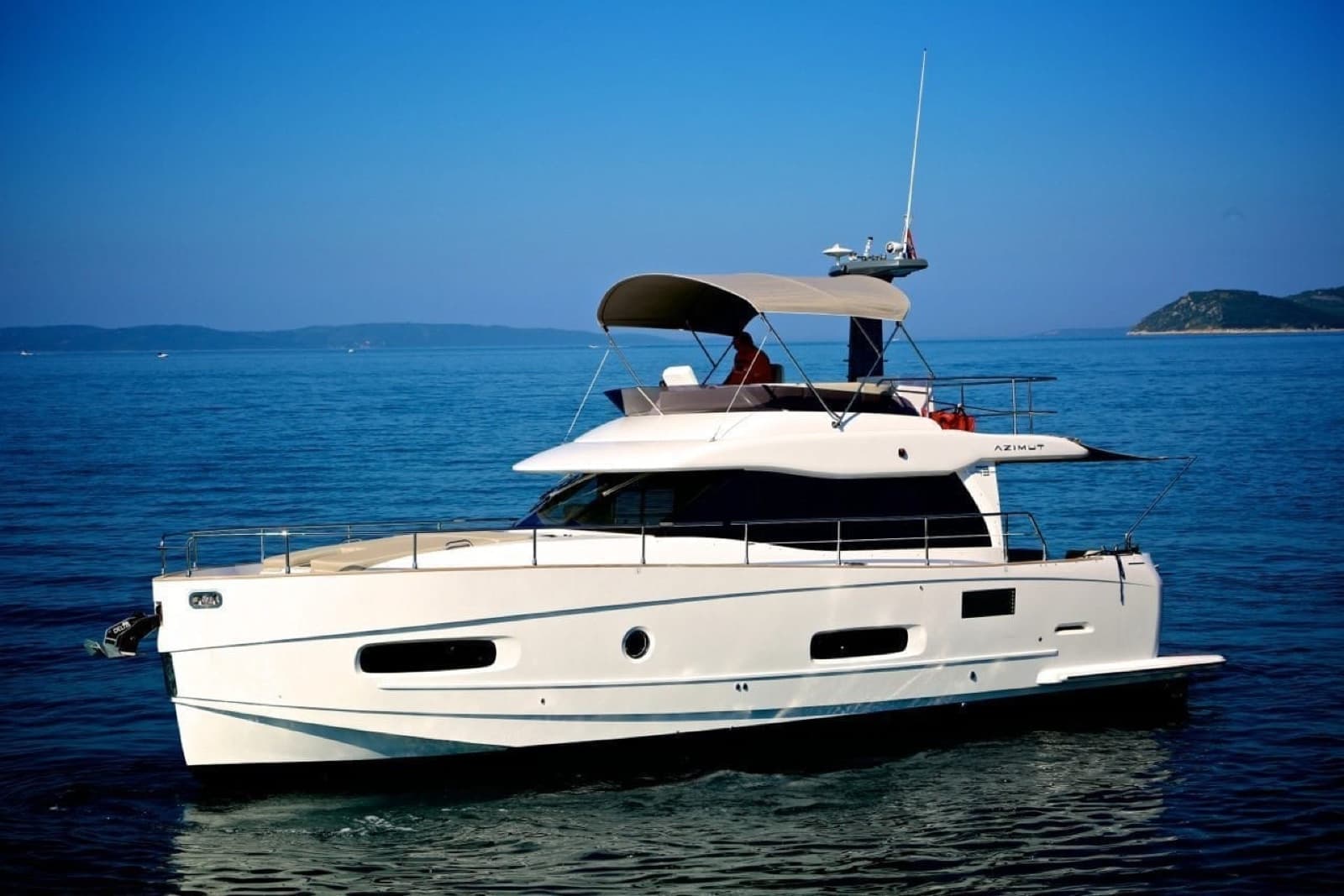
Owners who charter their boat or are considering placing a boat into a programme - perhaps alongside personal use of a boat similar in spirit to an Azimut Magellano 43 - often align their calendars with high and low charter seasons. That way, income‑earning months are protected by completing major work in quieter windows.
How can a written calendar help you budget realistically?
A written calendar is less about perfection and more about visibility. Once you know which jobs fall monthly, quarterly and annually, you can separate routine costs from big, less frequent items.
This helps in three ways:
- You can set aside a realistic monthly amount rather than facing lumpy, unplanned bills
- You are less likely to defer structural or safety work, which protects resale value
- You can make better trade‑offs when choosing between new and older boats, using resources such as /guides/new-vs-pre-owned-yachts-dubai and /guides/dubai-marina-berthing-guide
For Gulf‑based owners, that calendar quickly becomes as important as the logbook. It also forms a clear set of instructions if you later move to a managed service or change crew.
JJ Marine is based at Vida Dubai Marina & Yacht Club and works with Gulf owners who want to balance enjoyment with a clear, realistic upkeep plan. If you would like to talk through a maintenance calendar that suits your boat and usage, you can reach the team on WhatsApp or phone at +971 50 454 8415, or email jaamaa@jjmarine.ae.
Часто задаваемые вопросы
How often should I service my engines in the Gulf?
Follow engine‑hour and time guidance from the manufacturer, but in Gulf conditions many owners lean towards at least annual servicing, even at lower hours, because of higher operating temperatures and warm, salty water.
Do I really need to anti-foul every year in Dubai?
Annual haul-outs are sensible in Gulf marinas, but anti-foul can sometimes stretch to 18 months depending on paint type, water quality and how often you run the boat. Regular inspections are key.
How can I reduce sun damage to my boat in the UAE?
Use quality covers, keep up with regular washing to remove salt, apply UV-protective treatments to vinyl and clears, and plan upholstery renewals more frequently than you might in cooler climates.
Is yacht management worth it for maintenance in Dubai?
If you travel often or have a larger yacht with complex systems, a management service can keep to your maintenance calendar, run systems regularly and coordinate yard time, which helps control long-term costs.